
Kristin Porrez, Liberty Oxygen and Medical Equipment
Updated 5:09 PM CST, Tue November 3, 2026
Published Under: CPAP Medical Equipment Sleep
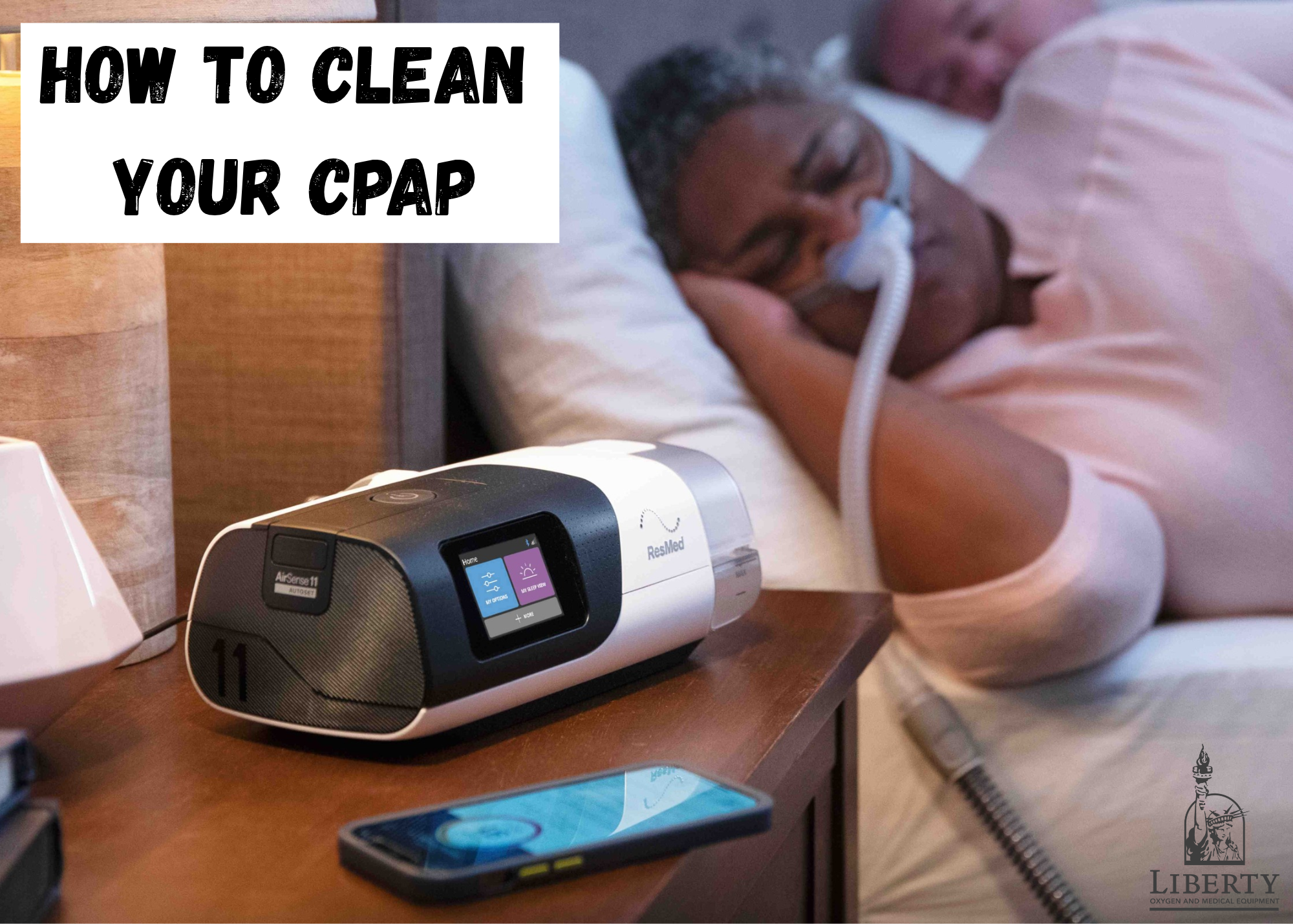
Welcome to Part 1 of our two-part CPAP Care Series!
At Liberty Oxygen and Medical Equipment, we know that CPAP therapy is an important part of getting a good night's sleep. But using your CPAP machine every night is only part of the equation. Keeping your equipment clean is just as important!
Your CPAP mask, tubing, and humidifier are exposed to moisture, skin oils, dust, and everyday germs. Without regular cleaning, these supplies can become dirty, uncomfortable, and potentially affect your therapy.
The good news? Keeping your CPAP equipment clean doesn't have to be complicated!
What Happens If You Don't Clean Your CPAP Supplies?
Skipping your regular cleaning routine may seem harmless, but over time, it can lead to problems.
Here are some of the risks associated with dirty CPAP equipment:
Bacteria and mold buildup: Moisture left in your tubing or humidifier can create an environment where microorganisms grow.
Skin irritation and breakouts: Facial oils, sweat, and dirt can accumulate on your mask cushion, potentially causing redness, irritation, and acne.
Unpleasant odors: Dirty equipment can develop musty or unpleasant smells.
Poor mask seal: Oils and residue can affect how well your mask fits, potentially causing air leaks.
Potential respiratory concerns: Contaminated equipment may expose you to bacteria, mold, and other irritants, especially concerning for individuals with respiratory conditions or weakened immune systems.
Regular cleaning helps keep your equipment comfortable, functioning properly, and ready for use each night.
Your Easy CPAP Cleaning Routine
You don't need expensive cleaning machines or complicated products. In most cases, mild soap, warm water, and a little consistency are all you need!
Daily Cleaning: Just a Few Minutes
Each morning, wipe out your mask with a warm, damp cloth or a CPAP wipe. This will remove facial oils and residue from the surface of your cushion.
Disconnect your CPAP tubing each morning and hang it up to dry out. The shower curtain rod or headboard of a bed are ideal places to hang it for the day.
Empty any remaining water each morning. Follow your manufacturer's instructions for rinsing and drying the chamber.
Before bedtime, refill the chamber with fresh distilled water.
Remember: Never simply top off yesterday's water!
Weekly Cleaning: Give Your Equipment Some Extra Attention
Set aside a little time each week for a more thorough cleaning.
Follow these simple steps:
Soak your CPAP mask, headgear, tubing, and water chamber in warm, soapy water for 30 minutes, provided your equipment manufacturer's instructions allow soaking.
Recommended soaps: Mild dish soap, such as Dove or Ivory, or a gentle, fragrance-free infant detergent,such as Dreft are good choices. CPAP Soap is another cleaning agent designed for specifically for CPAP equipment.
Rinse all components thoroughly with clean water to remove any soap residue.
Allow all supplies to air-dry completely, away from direct sunlight, before reassembling.
Helpful Tip: Never use bleach, harsh household cleaners, or strongly scented soaps on your CPAP supplies. Always follow your equipment manufacturer's cleaning recommendations. Never use Dawn dish soap.
Don't Forget Your CPAP Machine and Filters!
Unplug your CPAP machine and wipe down the exterior with a slightly damp cloth. Never submerge the machine in water.
Check your air filters regularly. Disposable filters should be replaced as needed, while washable filters should be cleaned according to the manufacturer's instructions.
Should You Use a CPAP Cleaning Machine?
You may have seen CPAP cleaning devices advertised that use ozone or ultraviolet (UV) light.
While these products may sound convenient, the FDA has raised concerns about the safety and effectiveness of certain CPAP cleaning devices using ozone. Some manufacturers will not stand behind their warranty if an ozone cleaner has been used.
Ozone exposure can be harmful, and some cleaning methods may damage your equipment.
For most CPAP users, regular cleaning with mild soap and water, following the manufacturer's instructions, is the recommended approach.
Five Tips to Keep Your CPAP Equipment Clean
Make cleaning part of your morning routine.
Always use fresh distilled water in your humidifier.
Allow supplies to dry completely before use.
Keep your nightstand and surrounding area free of dust.
Inspect your equipment regularly for signs of dirt, damage, or wear.
Liberty Oxygen and Medical Equipment Is Here to Help!
At Liberty Oxygen and Medical Equipment, we know that successful CPAP therapy starts with proper equipment care.
Whether you need CPAP cleaning supplies, replacement accessories, or help understanding how to maintain your equipment, our knowledgeable team is here to help!
Stop by one of our six convenient locations or contact us with your CPAP questions.
Coming Next: Part 2 – Is It Time to Replace Your CPAP Supplies?
Even the cleanest CPAP supplies don't last forever!
In Part 2 of our CPAP Care Series, we'll explain how often CPAP supplies should be replaced, the warning signs of worn-out equipment, and why staying on top of replacements matters.
Breathe easier. Sleep better. Keep it clean!
Disclaimer: Always follow your CPAP manufacturer's cleaning and maintenance instructions. Cleaning recommendations may vary by equipment model.
Comments